The old barbecue discussions spent a lot of time on charcoal and wood because the difference is real and audible. Lump charcoal behaves differently from briquettes. Hickory does not taste like apple. A clean small fire tastes different from a smoldering pile of damp chunks.
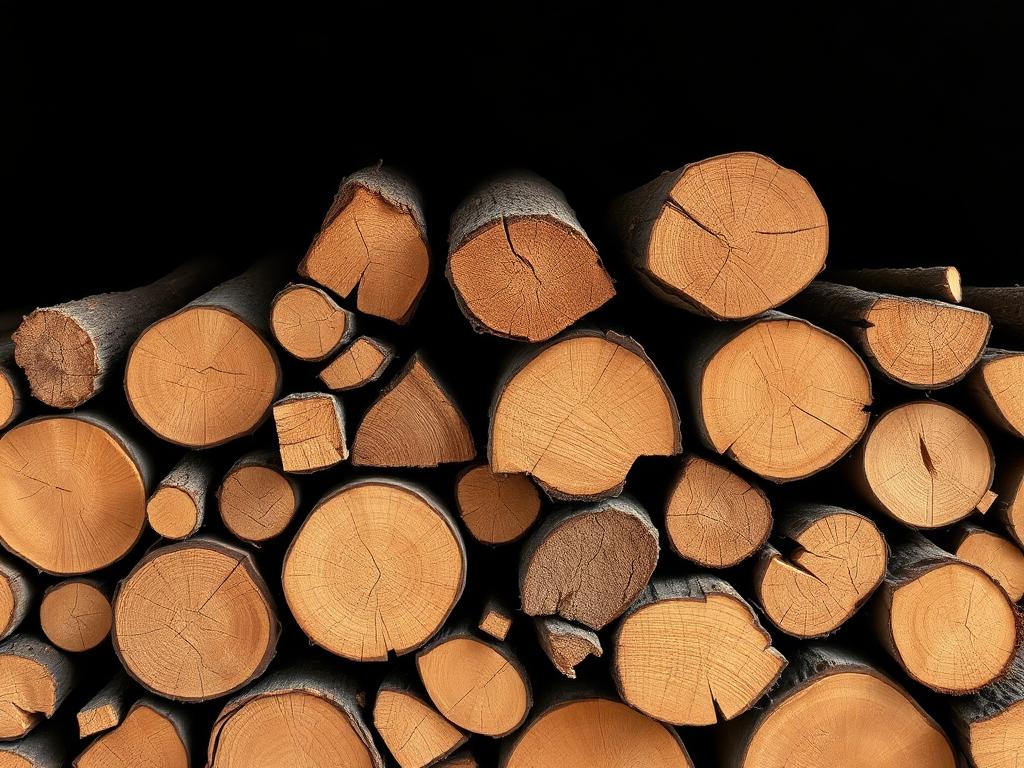
Lump charcoal vs. briquettes
Lump charcoal is made from pieces of hardwood that have been carbonized. It lights quickly, burns hot, and produces relatively little ash. The pieces vary in size, so airflow and burn rate can be less predictable. Good lump charcoal gives a clean, natural wood-coal flavor.
Briquettes are manufactured from charcoal fines and binders, shaped into uniform pieces. They burn more predictably and are useful for long controlled cooks. They usually produce more ash than lump. The quality varies by brand.
Neither fuel is automatically superior. Lump is excellent for hotter fires and cooks where clean flavor and quick response matter. Briquettes are excellent for steady temperature control, especially in kettles, bullet smokers, and charcoal baskets.
Wood chunks, chips, splits, and pellets
Wood form matters significantly.
- Chips burn quickly and are best for short cooks or gas grill smoke boxes. Dry chips in a controlled pouch usually work better than soaked chips.
- Chunks are ideal for charcoal smokers. A few fist-sized chunks mixed into charcoal can provide smoke over several hours.
- Splits are used in offset smokers. In a stick burner, wood is both heat and flavor — the goal is a clean-burning fire, not a chamber full of heavy smoke.
- Pellets are used in pellet cookers and smoke tubes. Convenient and consistent, but the smoke profile is usually lighter than logs or chunks.
What clean smoke looks like
Clean smoke is thin, pale, and often slightly blue. It may be hard to see in bright light. Dirty smoke is thick, white, gray, or sooty. Dirty smoke often tastes bitter because the fire is starved for oxygen, the wood is too wet, or the fire is too cool.
A clean barbecue fire needs:
- Dry, seasoned wood.
- Enough oxygen and good draft through the cooker.
- A hot coal bed.
- Small fuel additions instead of smothering the fire.
If smoke smells sharp, chemical, damp, or bitter, wait before adding food.
Common smoking woods
Hickory is strong, traditional, and widely used for pork, ribs, and beef. It can become harsh if overused.
Oak is steady, balanced, and excellent for beef, pork, sausage, and long cooks. One of the most versatile barbecue woods.
Pecan is rich and nutty, somewhat softer than hickory. It works well with pork, poultry, and ribs.
Apple is mild, sweet, and friendly with pork and poultry. Cherry adds a mild fruitwood flavor and can deepen the color of bark.
Maple is mild and slightly sweet, good with pork, poultry, and vegetables. Mesquite is intense and fast-burning — traditional in some regions but can overpower long cooks.
Woods to avoid
Avoid softwoods such as pine, fir, spruce, and cedar for barbecue smoke. They contain resins that produce unpleasant and potentially unsafe smoke. Avoid painted, treated, glued, stained, moldy, or unknown wood. Do not use construction scraps unless you are certain they are untreated hardwood.
How much wood should you use?
For a charcoal smoker, start small. Two or three chunks may be enough for a rack of ribs or a chicken. A pork shoulder or brisket can handle more, but too much smoke is one of the easiest ways to ruin meat.
For an offset smoker, the question becomes not "how much smoke wood" but "how clean is the fire?" A small, hot, clean-burning fire is better than a large, smoldering one.
Fire management basics
Use airflow to control combustion, not just temperature. Closing vents too far may lower temperature, but it can also make the fire dirty. Good fire management is the balance between heat and clean burn.
In charcoal cookers, use a charcoal basket, snake method, minion method, or banked coals to extend burn time. In offsets, maintain a coal bed and add preheated splits when possible. In all cookers, avoid panic adjustments: make one change, wait, observe, then decide.
"Good barbecue smoke should make the meat taste deeper, not make it taste like smoke alone."← Back to the Archive