The goal here is not to attack restaurants. The goal is to help barbecue lovers decide where to spend their time, what to order, and how a place fits into regional tradition. The best barbecue writing makes readers hungry, but it also teaches them what to notice.
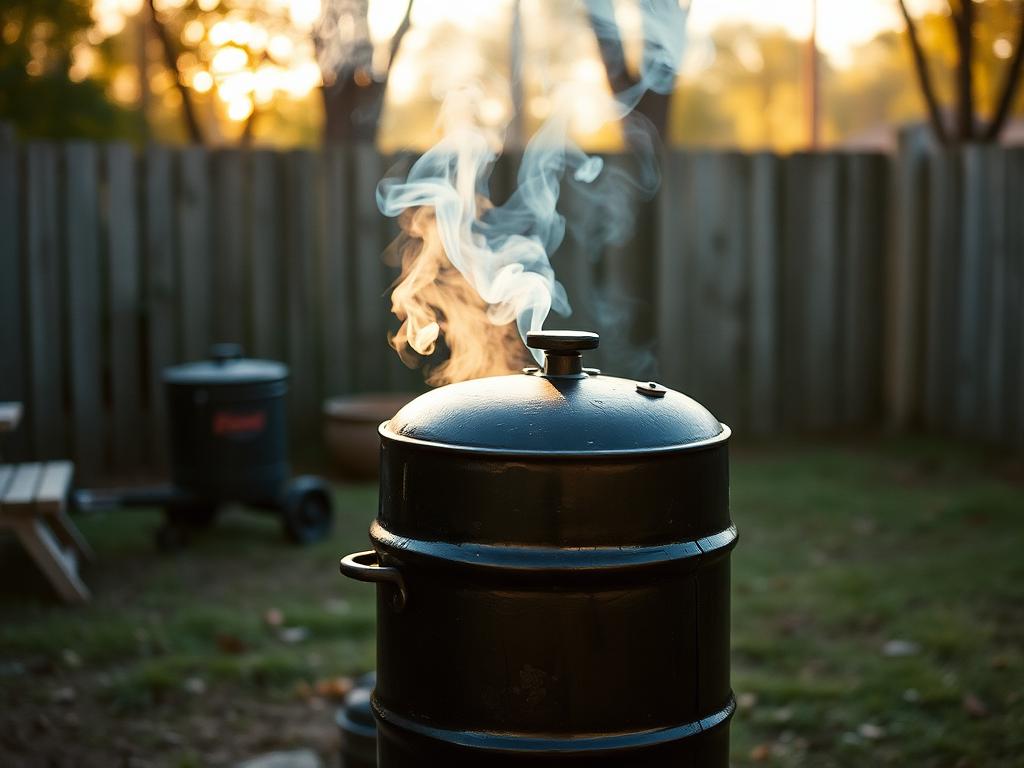
What makes a barbecue restaurant worth visiting?
A great barbecue restaurant does not need polished decor. Some of the best places are plain rooms, counter-service joints, trailers, smoke shacks, or old family businesses with a line out the door. What matters is the food, the smoke, the rhythm of the place, and whether the cooking has identity.
- A visible or believable smoking process.
- Meat that tastes seasoned, smoked, and properly rested.
- Fresh slicing, pulling, or chopping.
- Sides that feel intentional.
- Sauce that supports the meat rather than hides it.
- Staff who can explain what is best that day.
- A menu that does not try to do everything.
Barbecue is perishable. A famous restaurant can have an off day. A tiny place can serve the best plate of the trip. Reviews should leave room for that.
How to judge brisket
Good brisket should be tender but not falling into dry crumbs. Slices should bend without breaking immediately. The flat should be moist enough to enjoy without sauce. The point should be richer and more heavily marbled. Bark should taste smoky, peppery, savory, and beefy, not bitter.
Watch for dry gray slices, pot-roast texture, harsh smoke, no bark, slices cut with the grain, or sauce poured over the meat before serving without asking.
How to judge pork
Pulled pork should have a mix of bark, meat, and soft rendered pieces. It should taste like pork first. Sauce can add vinegar, heat, sweetness, or mustard bite, but the meat should not depend on sauce completely. Whole hog barbecue can include different textures from shoulder, ham, belly, and skin — chopped pork may be dressed lightly with vinegar or sauce depending on region.
How to judge ribs
Good ribs should have a clean bite. The meat should pull from the bone where you bite but not fall off in a pile. The surface should be seasoned and set. Sauce, if used, should be tacky rather than burned. Overcooked ribs can be enjoyable but lose texture. Undercooked ribs are tough and cling hard to the bone.
How to judge sausage, chicken, and sides
Sausage should have snap, seasoning, smoke, and moisture. Chicken should be juicy with pleasant smoke. Turkey breast, when done well, is one of the quiet tests of a barbecue restaurant because it dries out easily.
Sides matter because they reveal care. Beans, slaw, potato salad, greens, cornbread, pickles, onions, and bread all frame the meat. A place can be great with simple sides, but careless sides can make the whole tray feel tired.
Regional barbecue styles to know
Texas is strongly associated with brisket, sausage, beef ribs, oak smoke, salt, pepper, and meat-market traditions. Central Texas barbecue often keeps sauce secondary.
North Carolina is famous for pork, especially whole hog in the east and pork shoulder in the Piedmont style. Vinegar-based sauces are central.
South Carolina includes mustard-based sauces, whole hog traditions, hash, and rice.
Kansas City is known for ribs, burnt ends, a wide range of meats, and thicker tomato-based sauces. Memphis is famous for pork ribs with both dry-rub and sauced traditions.
Alabama is known for pork and chicken, including white sauce in the northern part of the state. These summaries are only starting points — barbecue regions overlap, change, and argue with themselves.
Planning a barbecue road trip
A good barbecue trip needs pacing. Do not plan five heavy meals in one day unless you are sharing small portions. Arrive early at popular places because the best meats can sell out. Check opening days — many traditional barbecue restaurants close on certain weekdays or sell only until the meat is gone.
- Order small portions at each stop and share trays.
- Ask what came off the pit recently.
- Try the house specialty first.
- Taste meat before adding sauce.
- Take notes immediately — photograph menus and trays.
- Respect sellouts as part of fresh barbecue culture.
Review format for the new BBQ Porch
Future reviews on this site should be consistent. A useful review can include: restaurant name and location, date of visit, meats and sides ordered, best bite, smoke level, texture notes, sauce notes, service and atmosphere, value, and whether you would return.
"The best barbecue writing makes readers hungry, but it also teaches them what to notice." — BBQ Porch, reconstructed
Rebuilding the old review spirit
The historic BBQ Porch review area mattered because barbecue people travel, compare, remember, and recommend. This new page should become the hub for that again. Start with regional overview pages, then add individual reviews over time. Keep the tone fair, specific, and useful.
← Back to the Archive